The United Kingdom packs an extraordinary amount into four nations and a relatively small landmass: London's world-class museums and parks, Edinburgh's medieval Old Town and extinct volcanoes, Wales's dramatic mountain hiking, and Northern Ireland's coastline and Titanic history. All of it is accessible on public transit, and a significant portion of the best experiences are free.
This guide gives you an overview of all four nations and a detailed 2-day London budget itinerary. London is usually the entry point for a UK trip, and it's a city you can do extensively without spending much money — if you know where to focus.
England
London is one of the most visited cities on Earth and earns the attention. The defining feature for budget travelers: the major museums are free, and there are about a dozen of them that would be worth $30 admission anywhere else.
Tower Bridge: Walk across for free and get one of the defining London views from the center span. The Tower of London on the north bank houses the Crown Jewels and is ticketed (worth it once); the bridge exterior is always free.
Tate Modern: Contemporary and modern art on the South Bank, in a converted Bankside power station. Free permanent collection; some special exhibitions are ticketed. The building's viewing terrace on the top floor has outstanding city views — also free.
Covent Garden: The covered market and surrounding streets are the best people-watching in London. Street performers fill the courtyard from mid-morning through evening. Free.
Sky Garden: The glass-enclosed garden at the top of 20 Fenchurch Street has 360-degree views of the City of London. Free with advance booking (book several weeks ahead at skygarden.london — same-week slots are rare).
Buckingham Palace: The exterior and the grounds of St. James's Park (free) give you the full ceremonial London experience. The Changing of the Guard runs most days; check the official schedule before visiting as it's canceled in bad weather.
Stonehenge: About 90 minutes from London by train + shuttle from Salisbury. One of the genuinely mysterious places in the world. Worth a half-day trip from London if you haven't been.
Best restaurants in London (mid-range): Dishoom (Bombay-style cafe, multiple locations), Padella (fresh pasta in Borough Market, always a queue), St. John (nose-to-tail British cooking in Smithfield), Mayfair Chippy (fish and chips done properly).
Scotland
Edinburgh is one of Europe's great cities and significantly underrated by American travelers who stop at London. The Old Town is a UNESCO World Heritage Site: narrow medieval streets (called closes and wynds) running off the Royal Mile between Edinburgh Castle at the top and the Palace of Holyroodhouse at the bottom. The whole route is walkable in a day.
Arthur's Seat: The dormant volcanic summit in Holyrood Park, accessible by a 45–60 minute hike from the city center, offers panoramic views over Edinburgh and the Firth of Forth. Free, and one of the best urban hikes in Europe.
Edinburgh Castle: Ticketed, but the views from the esplanade and the surrounding park are free. The castle is worth the entry fee once for the Crown Jewels and the Scottish National War Memorial.
Glasgow is Scotland's largest city and has a reputation for friendliness that's well-earned. The Kelvingrove Art Gallery and Museum is free and houses one of the most remarkable collections in the UK (including Salvador Dali's "Christ of Saint John of the Cross"). The West End around Byres Road is the best neighborhood for cafes, pubs, and independent shops.
Highlands: If your schedule allows a day trip from Edinburgh, the Cairngorms National Park and Loch Ness area are accessible by rental car. Glencoe Valley alone is worth the drive.
Best restaurants in Edinburgh: Aizle (tasting menu built around seasonal Scottish produce), The Dogs (casual, excellent value), The Witchery (historic setting near the castle, expensive but atmospheric).
Wales
Cardiff is 2 hours from London by train and often overlooked. Cardiff Castle is a Victorian Gothic spectacle funded by the Marquess of Bute — the interiors are among the most elaborate in Britain. The castle grounds are part of a large city park.
Snowdon: The highest peak in England and Wales at 3,560 feet. The summit is accessible by foot via multiple routes (the Llanberis Path is the most popular, 5–6 hours round trip) or by the Snowdon Mountain Railway. The views from the summit on a clear day extend to Ireland.
St Fagans National Museum of History: Just outside Cardiff, this open-air museum has relocated historic buildings from across Wales to a single site — farmhouses, a church, a tollgate, a Victorian school — all set in countryside. Free. One of the best museum experiences in the UK.
Northern Ireland
Belfast is experiencing a long tourism renaissance. The Titanic Belfast museum is built on the exact slipway where RMS Titanic was constructed; the building is shaped like the ship's hull and the interior is one of the most immersive museum experiences in Europe.
Cave Hill and Belfast Castle: The Cave Hill plateau above north Belfast has views over the whole city and Belfast Lough. The hike takes about 90 minutes from the castle grounds. Free.
The Causeway Coast: Giant's Causeway (about 90 minutes from Belfast) is the UK's most distinctive natural feature — 40,000 interlocking basalt columns formed by ancient volcanic activity. The columns themselves are free to walk on; the visitor center has an entry fee.
Game of Thrones filming locations: Northern Ireland is where most of Game of Thrones was filmed. Organized tour operators run full-day routes covering Castle Ward (Winterfell), Dark Hedges (King's Road), Cushendun Caves, and Dunluce Castle.
2-Day London Budget Itinerary
Day 1: South Bank, East London & The City
Morning: Start at the Tate Modern (free). Walk east along the South Bank to Borough Market — London's premier food market, open Thursday–Saturday (Thursday and Friday are less crowded than Saturday). Lunch at the market: a good counter-service meal runs £8–14.
Cross the Thames on Millennium Bridge and continue to St Paul's Cathedral (the exterior is free; the interior is ticketed). Walk east toward the City of London through its medieval street grid.
Afternoon: Tower Bridge (free to walk across). Tower of London exterior. Loop back west through Aldgate, Spitalfields Market (free to browse), and Hanbury Street for London's most-documented street art.
Evening: Back to Covent Garden for street performers, then dinner around the Strand or pick up a Dishoom reservation (book weeks ahead for peak times; walk-ins are possible but mean a long queue).
Day 2: West London, Royal Parks & Museums
Morning: Victoria and Albert Museum (free) in South Kensington. The V&A collection spans fashion, design, ceramics, metalwork, and textiles across 5,000 years. Budget 2 hours minimum.
Cross into Hyde Park. Walk to the Serpentine (there are paddle boats to hire if the weather cooperates), continue through the park toward Kensington Palace (gardens are free; the palace interior is ticketed).
Afternoon: North through Hyde Park to Marble Arch, then east to Piccadilly Circus and Leicester Square. The National Gallery on Trafalgar Square is free and houses one of the world's great permanent collections — Van Gogh's Sunflowers, Turner's seascapes, Da Vinci's Virgin of the Rocks.
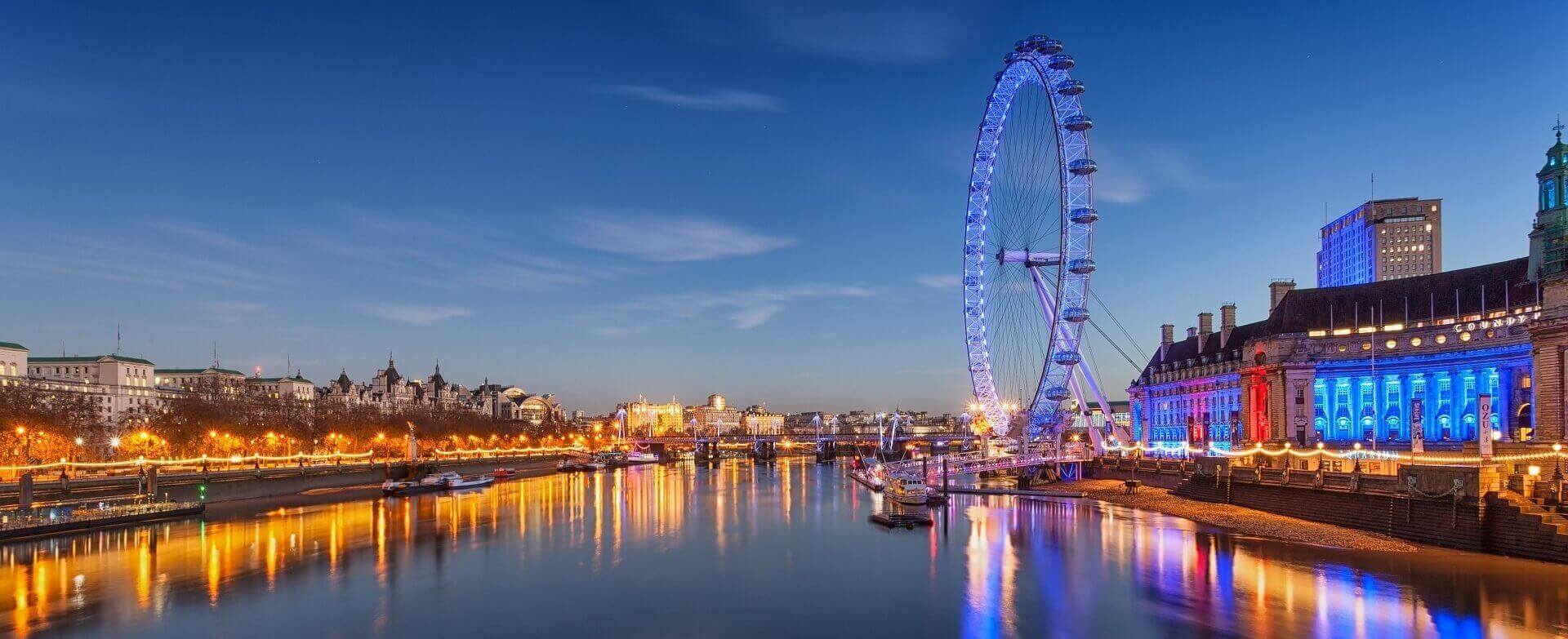
Evening: Walk along the Embankment at dusk to Westminster Bridge for the most iconic view in London: Big Ben and the Houses of Parliament across the Thames. St. James's Park behind the Parliament buildings is beautiful at dusk.
Budget notes for both days:
- Oyster card or contactless payment for all Tube journeys (cheaper than paper tickets)
- Picnic lunch from Borough Market or a Pret A Manger (fastest, cheapest lunch option in the city)
- Pre-book the Sky Garden (skygarden.london) weeks ahead for the free view from 20 Fenchurch Street
- Most of the above is free; budget £30–40/day for food and Tube travel
Practical Notes
Getting there: Heathrow (LHR) is London's main hub. Use the Elizabeth Line (Crossrail) to Paddington for £12.70 — not the Heathrow Express at £35. Gatwick (LGW) is served by the Gatwick Express or Southern trains to London Victoria.
Oyster card: Essential for London public transport. Load it at any Tube station; the daily cap prevents you from overpaying no matter how many journeys you take.
Megabus and National Express: For travel between London and other UK cities, booking coach tickets 6–8 weeks in advance can yield fares as low as £1. These run on set schedules and are slower than trains but dramatically cheaper.
Power: Type G plug, 230V/50Hz. A universal travel adapter is essential.
Weather: Expect rain at any time of year. A packable waterproof layer is more useful than any other clothing item you pack.
Currency: Pound Sterling (GBP). Cards are accepted everywhere. Contactless is ubiquitous. ATMs are available at airports, Tube stations, and on most high streets.