Mardi Gras in New Orleans is one of the few remaining American experiences that justifies the descriptor "unmissable." The scale, the history, the Creole culture underneath it, the parades running from 10 AM until midnight. It's unlike anything else in the US. And unlike most major American festivals, the core of it is free.
Fat Tuesday 2027 is February 9. If you're planning ahead, book flights and hotels now. Mardi Gras week is one of the highest hotel-demand periods in the country, and rates in the French Quarter can triple from their normal price.
Mardi Gras 2027 Parade Schedule
Here is the full 2027 parade schedule for the major krewes, in order. Carnival 2027 is unusually compressed, only 35 days from Twelfth Night to Fat Tuesday, so the big parades stack tightly into the first week of February.
Opening weekend (French Quarter / Marigny)
| Parade | Date | Time | Route |
|---|---|---|---|
| Krewe Bohème | Fri, Jan 22 | 7:00 PM | French Quarter / Marigny |
| Krewe du Vieux | Sat, Jan 23 | 6:30 PM | Marigny → French Quarter |
These two are walking parades, satirical, adult, hand-made floats pulled by mules, no giant superstructures. Krewe du Vieux is the one locals tell you not to miss, and it's the only major parade still permitted to roll through the French Quarter itself.
Parade week, Thursday through Lundi Gras
| Parade | Date | Time | Route |
|---|---|---|---|
| Krewe of Muses | Thu, Feb 4 | 6:00 PM | Uptown |
| Krewe of Hermes | Fri, Feb 5 | 5:30 PM | Uptown |
| Krewe d'Etat | Fri, Feb 5 | follows Hermes | Uptown |
| Krewe of Morpheus | Fri, Feb 5 | follows d'Etat | Uptown |
| Krewe of Iris | Sat, Feb 6 | 11:00 AM | Uptown |
| Krewe of Tucks | Sat, Feb 6 | 12:00 PM | Uptown |
| Krewe of Endymion | Sat, Feb 6 | evening | Mid-City → Superdome |
| Krewe of Okeanos | Sun, Feb 7 | morning | Uptown |
| Krewe of Mid-City | Sun, Feb 7 | follows Okeanos | Uptown |
| Krewe of Thoth | Sun, Feb 7 | 12:00 PM | Uptown |
| Krewe of Bacchus | Sun, Feb 7 | evening | Uptown → CBD |
| Krewe of Proteus | Mon, Feb 8 | 5:15 PM | Uptown |
| Krewe of Orpheus | Mon, Feb 8 (Lundi Gras) | follows Proteus | Uptown → CBD |
Fat Tuesday, Tuesday, February 9, 2027
| Parade | Time | Route |
|---|---|---|
| Zulu Social Aid & Pleasure Club | ~8:00 AM | Jackson & S. Claiborne → Uptown |
| Rex, King of Carnival | follows Zulu (~10 AM) | St. Charles Ave → Uptown |
| Elks Orleans | follows Rex | St. Charles Ave |
| Crescent City | follows Elks | St. Charles Ave |
Which parades to prioritize if you only have one weekend
If you can only be in New Orleans for one stretch, make it Saturday February 6 through Tuesday February 9. That window contains the five biggest parades of the entire season: Endymion, Bacchus, Orpheus, Zulu, and Rex.
- Best single day: Sunday, February 7. Okeanos and Mid-City in the morning, Thoth at noon, Bacchus at night. You can watch parades essentially all day without moving more than a few blocks.
- Best for throws: Endymion (Saturday) has the highest throw density of any parade, plus the Extravaganza inside the Caesars Superdome at the end of the route.
- Most historically significant: Zulu on Fat Tuesday morning. Founded in 1909, and its hand-painted coconuts have been the most coveted throw in Carnival for over a century.
- Most family-friendly: Iris (Saturday, 11 AM) and Thoth (Sunday, noon). Daytime, Uptown, and Thoth's route was deliberately designed to pass hospitals and care facilities.
What Mardi Gras Actually Is
Mardi Gras translates to "Fat Tuesday" in French. The last day of indulgence before Ash Wednesday and the beginning of Lent. New Orleans has been celebrating continuously since 1837, making it one of the longest-running civic festivals in American history.
The event is organized around Krewes: private social organizations whose members pay annual dues and use those funds to build floats, purchase throws, and produce the parades. The Krewes operate independently; the city provides parade permits and public safety coverage. This structure means there's no central organizer for Mardi Gras. It's a collection of several dozen independent parades running across multiple weeks.
The most-recognized Mardi Gras colors are purple (symbolizing justice), gold (power), and green (faith). Established in 1872.
The Key Parades for 2027
Endymion (Saturday, February 6): One of the two largest parades, rolling through Mid-City. Known for massive, elaborately lit floats and celebrity grand marshals. The throw density on this route is high; this is a good parade for catching specialty throws beyond standard beads.
Bacchus (Sunday, February 7): The other contender for largest parade. Rolls from Uptown through the Central Business District. Bacchus is known for its scale and the krewe's tradition of naming a celebrity as the parade's king.
Orpheus (Lundi Gras, February 8): Harry Connick Jr. co-founded this krewe and it has become one of the most anticipated parades of the season. Rolls the afternoon of Lundi Gras and is a favorite for being slightly less overwhelming than the weekend parades.
Zulu (Fat Tuesday, February 9): Rolls early morning on Mardi Gras Day, starting at Jackson Ave and S. Claiborne Ave. Famous for hand-painted golden coconuts, which have been among the most coveted Mardi Gras throws since the early 1900s. The krewe was founded in 1909 by Black New Orleanians and is one of the most historically significant organizations in Mardi Gras history.
Rex (Fat Tuesday, February 9): The daytime signature parade on Fat Tuesday, rolling through Uptown and down St. Charles Avenue. Rex is considered the "King of Carnival" by tradition and the parade includes the Rex King float from which throws are distributed by the krewe's honored king.
Galactic Lundi Gras (FREE 5 AM Sunrise Set): Every Lundi Gras morning, the New Orleans band Galactic performs a free sunrise set at Woldenberg Park on the Mississippi River waterfront. This has become one of the more beloved Mardi Gras traditions for locals and serious visitors. Starting at 5 AM is the catch; the reward is a free concert at sunrise over the river before the day's parades begin.
What to Pack
Layers. Early February in New Orleans can be genuinely cold in the morning, mild by afternoon, and rain at any hour. A lightweight rain poncho (packable enough to fit in a waist pack) is more useful than anything else you bring.
Comfortable shoes. You'll walk 8–12 miles per day on streets that will be wet with rain, spilled drinks, or both. Comfortable, broken-in, waterproof footwear is non-negotiable.
A hands-free bag. Catching parade throws requires two free hands. An anti-theft waist pack or crossbody bag keeps your phone and wallet secure while both hands are in the air.
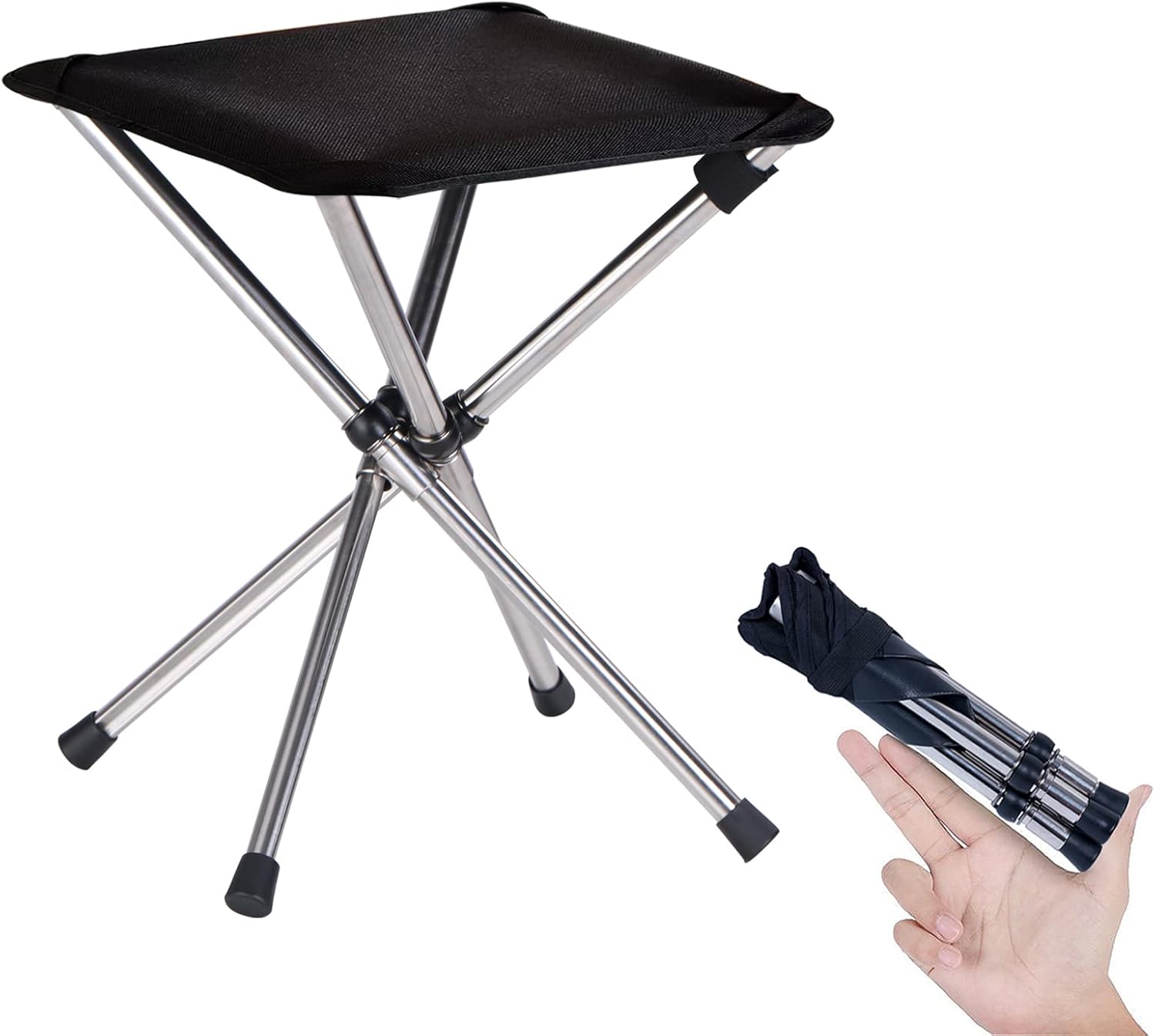
A folding chair. For the big Saturday and Sunday parades, getting a good spot means arriving 3–4 hours early. A collapsible folding stool that packs down to water-bottle size makes the wait comfortable without hauling a full camp chair through a crowd.
A costume. Not required, but the experience is better with one. Creativity over budget; some of the best costumes at Mardi Gras are assembled from thrift stores.
The rest of the kit. Our guide to standing outdoors at events for hours covers layering, footwear and the cheap items that matter most.
Earplugs. Marching bands are loud. If you're watching back-to-back parades all day, they're worth having.
Navigating Transportation
The French Quarter and parade routes are closed to vehicular traffic during the main parade days. This is by design. Walking and biking are the primary options. The city has Lime and Bird e-bikes and scooters available; they work well for covering ground between parade routes.
Parking lots near the route fill early and the fees are high. If you have a car, park further out and walk in, or use your hotel parking. Rideshares are unreliable during Mardi Gras. The demand spikes during parade starts and ends and surge pricing is severe.
Plan for your group to potentially get separated in large crowds. Designate a meeting spot in advance that everyone knows, separate from your phones.
10 Things to Know About Mardi Gras
- Mardi Gras translates to "Fat Tuesday" in French.
- New Orleans has been celebrating Mardi Gras since 1837.
- The official colors, purple, gold, and green, were established in 1872. Purple means justice, gold means power, green means faith.
- The parade season begins January 6 (Epiphany/King's Day) and runs through Fat Tuesday.
- Krewes are private social organizations that fund, build, and operate each parade independently.
- Open alcoholic beverages in plastic containers are legal on public streets in New Orleans (glass is prohibited).
- The parade throws tradition started in the 1870s. Beads, cups, and stuffed animals are standard; specialty throws like Zulu's hand-painted coconuts are highly coveted.
- The first formal Mardi Gras parade in New Orleans was held on February 24, 1857.
- The King Cake tradition involves a coffee cake with purple, gold, and green icing and a hidden plastic baby. Whoever gets the baby in their slice hosts the next party.
- Masks were originally worn at Mardi Gras to let people of different social classes interact without regard to status.
Safety Tips
Open plastic containers are allowed on the street; glass is not. Know which is which before bringing drinks outside.
Arrange a meeting spot with your group before entering parade crowds. Cell service degrades severely in dense crowds.
Arrive at your spot early, especially for the major parades (3–4 hours is the realistic window for a good position).
Be careful around moving floats. Don't run into the street after dropped throws until the float has completely passed.
Make dinner reservations far in advance. Every restaurant in the city is booked solid during Mardi Gras week. Street food vendors are your best fallback option for quick meals.
Hotels should be booked months in advance. Check the hotel widget below for availability, but expect elevated rates throughout Mardi Gras week.