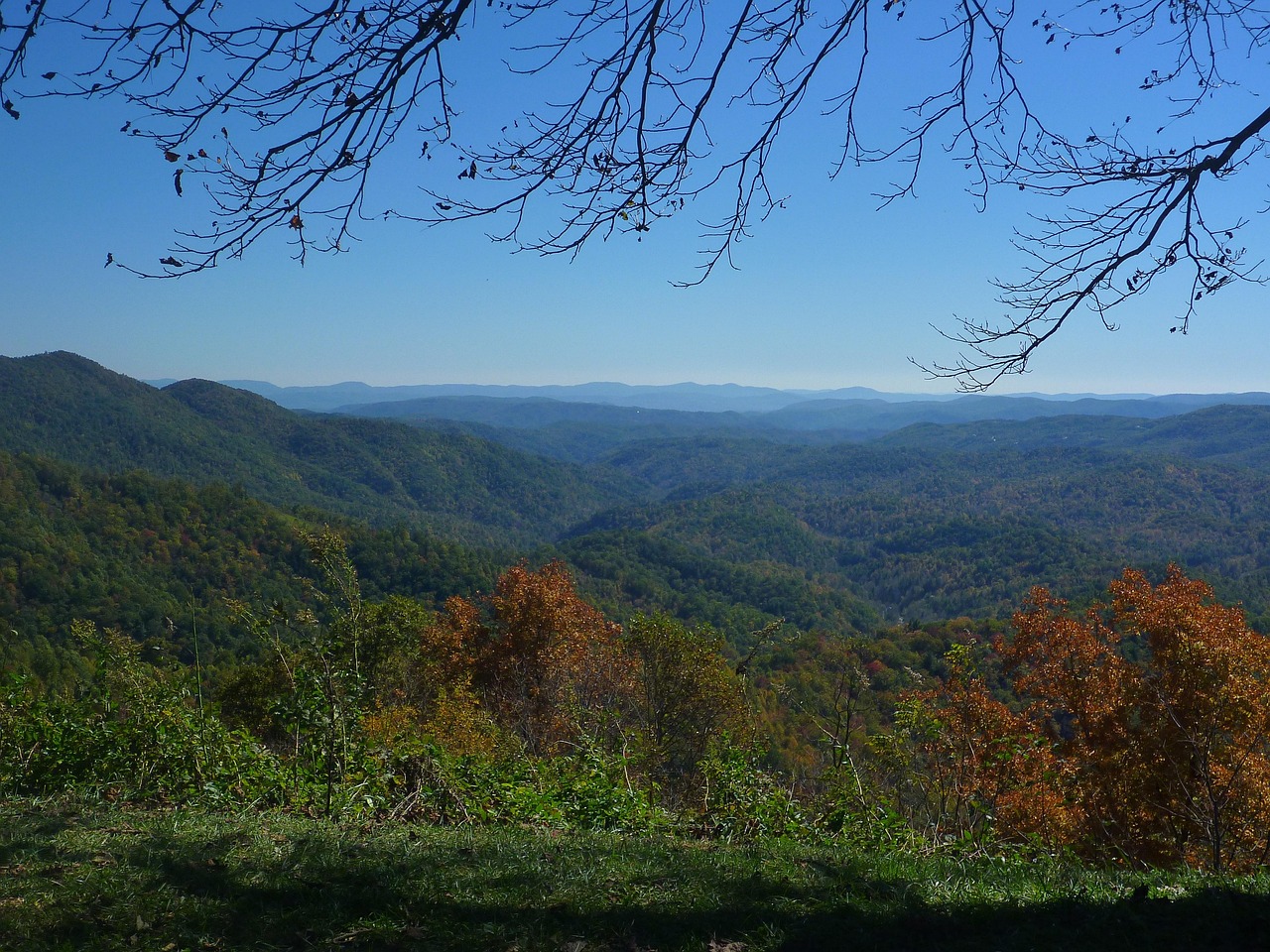
If you're within a 2-hour drive of Atlanta and haven't done the North Georgia wine trail, you're missing one of the Southeast's most enjoyable weekend drives. The route winds through the Blue Ridge foothills past dozens of working vineyards, most of them small family operations, and the mountain backdrop makes even a mediocre glass of Muscadine taste better than it deserves to.
The wine itself has improved considerably over the past decade. Georgia's mild, humid climate suits certain varieties well, particularly Viognier, Cabernet Franc, and the native Muscadine, and a handful of wineries are producing bottles that wouldn't embarrass themselves anywhere.
It doesn't have to be expensive. Here's how to do it right.
The Wineries Worth Knowing
The Georgia Wine Highway spans 40+ wineries across a broad swath of North Georgia. You can't hit them all in a weekend, so the planning question is which ones to prioritize. Here are the main clusters:
Dahlonega cluster (15–20 wineries within 10 miles): This is the densest concentration and the easiest area to structure a day around without long drives between stops. Kaya Vineyard has excellent mountain views and multiple tasting options. Three Sisters Vineyards is consistently recommended for its atmosphere and vineyard picnic policy. Wolf Mountain is considered one of the state's premier operations, though the tasting experience trends toward fine dining prices.
Cleveland/Helen corridor: Habersham Winery in Helen is one of the area's most accessible wineries with historically reasonable tasting fees. The Bavarian-themed town of Helen is worth the stop on its own, especially outside the peak tourist crush. Serenberry Vineyards in Morganton has a relaxed, unpretentious vibe that regulars appreciate.
Ellijay area: Cartecay Vineyards has a rustic barn setting and a laid-back crowd. It's about 45 minutes from Dahlonega but worth the detour if you're doing a longer loop.
Always check current tasting fees on each winery's website before visiting. Fees shift seasonally and are often different for standard versus reserve flights.
The Budget Strategy
Standard tasting fees run $15–$35 per person for a flight of 4–6 wines. That adds up across multiple stops. A few tactics:
Share a tasting. Most wineries allow two people to share a single tasting flight, which halves the per-person cost while still letting you sample everything. Ask at the tasting bar; it's a common request.
Stick to 2–3 wineries per day. More than that and the wines blur together and the fees stack up. Two well-chosen wineries with a picnic lunch in between is a genuinely better experience than rushing through five.
Georgia Wine Highway Passport: Every spring, participating wineries offer a passport program for $75–85 that includes complimentary tastings at dozens of locations across the state. If you visit 4 or more participating wineries, the math works out in your favor. Check OpenGeorgiaWine.com for current availability and dates.
Weekday visits: Some wineries run slightly lower-priced tastings or special deals mid-week, and the crowds are dramatically smaller from May through October.
Pack a Picnic
This is the highest-value move in North Georgia wine country. Many wineries have outdoor seating with mountain views specifically designed for people who bring a spread and stay a while, typically with a bottle purchase from the cellar.
The drill: verify the policy on the winery's website or call ahead, get approval for picnicking, then stop at an Ingles or Kroger in Dahlonega, Cleveland, or Gainesville on the way up for cheese, cured meat, bread, and fruit. A picnic lunch assembled from a grocery run costs $15–20 for two people. The same meal from a winery restaurant costs $50–70.
Three Sisters Vineyards in Dahlonega has historically been one of the most picnic-friendly wineries in the area. Kaya Vineyard and Cartecay are also commonly cited. Always confirm the current policy before showing up with a full spread.
Bring a waterproof blanket. Mountain grass in the morning or after rain is damp even on a clear day. A blanket that doesn't absorb moisture changes the whole experience.
Where to Stay
Dahlonega has the most central location for the wine trail and a few budget-friendly options: standard chain hotels and a handful of local inns and B&Bs. It's the most convenient base if you want to minimize driving between wineries.
Gainesville (30 miles south, closer to Atlanta) has more chain hotel options at lower rates, with more restaurant variety. You trade convenience for cost savings.
Cabin rentals: North Georgia is cabin country. A group of 4–6 people splitting a rental cabin often pays less per person than hotel rooms, and having a kitchen means you can cook instead of eating out for every meal. Check Vrbo for options, and search for cabins a few miles outside the main towns for better rates. Blue Sky Cabin Rentals and Mountain Oasis are local agencies worth comparing.
State park camping: Vogel State Park and Amicalola Falls State Park both have camping and rental cabins at very reasonable rates. They're a bit further from the core wine trail but worthwhile if you're combining the trip with hiking.
Book fall dates early. October is the most popular month in North Georgia (fall foliage plus harvest festivals) and accommodation fills up weeks in advance, especially on weekends.
Sample Weekend Itinerary
Friday evening: Drive up from Atlanta. Check into accommodation in Dahlonega or Gainesville. Casual dinner in town; the square in Dahlonega has several good options for reasonable prices.
Saturday: Start at Kaya Vineyard or Dahlonega's downtown tasting rooms (several wineries operate tasting rooms in the historic square). Mid-morning tasting, then drive to Three Sisters Vineyards for your picnic lunch (call ahead to confirm policy, bring your spread, pick up a bottle). Afternoon stop at another Dahlonega-area winery if budget allows, or explore the square and the Dahlonega Gold Museum (modest entry fee, Georgia's original gold rush story). Dinner back in town.
Sunday morning: Hike before the drive home. Amicalola Falls is about 20 minutes west and the main falls trail is genuinely impressive. Blood Mountain has challenging hiking with exceptional views. Both are free to access (Vogel and Amicalola have parking fees). Optional last winery stop on the way out if the timing works; Habersham near Helen is a reasonable detour before heading back south.
Practical Notes
Designated driver. Non-negotiable when you're doing multiple wineries. Some groups hire a wine tour van operator from Atlanta (they handle transport and usually visit 3–4 wineries in a day). Others rotate the driving role. Either works; just plan for it.
Cell service. Coverage on the mountain roads between wineries can be spotty. Download your route offline in Google Maps before leaving the main towns.
Season timing: Fall harvest season (September–October) brings festivals and events at many wineries but also peak crowds and peak prices. Spring (May–June) has similar weather with fewer crowds and lower accommodation rates. Both are excellent for the combination of mountain scenery and wine.