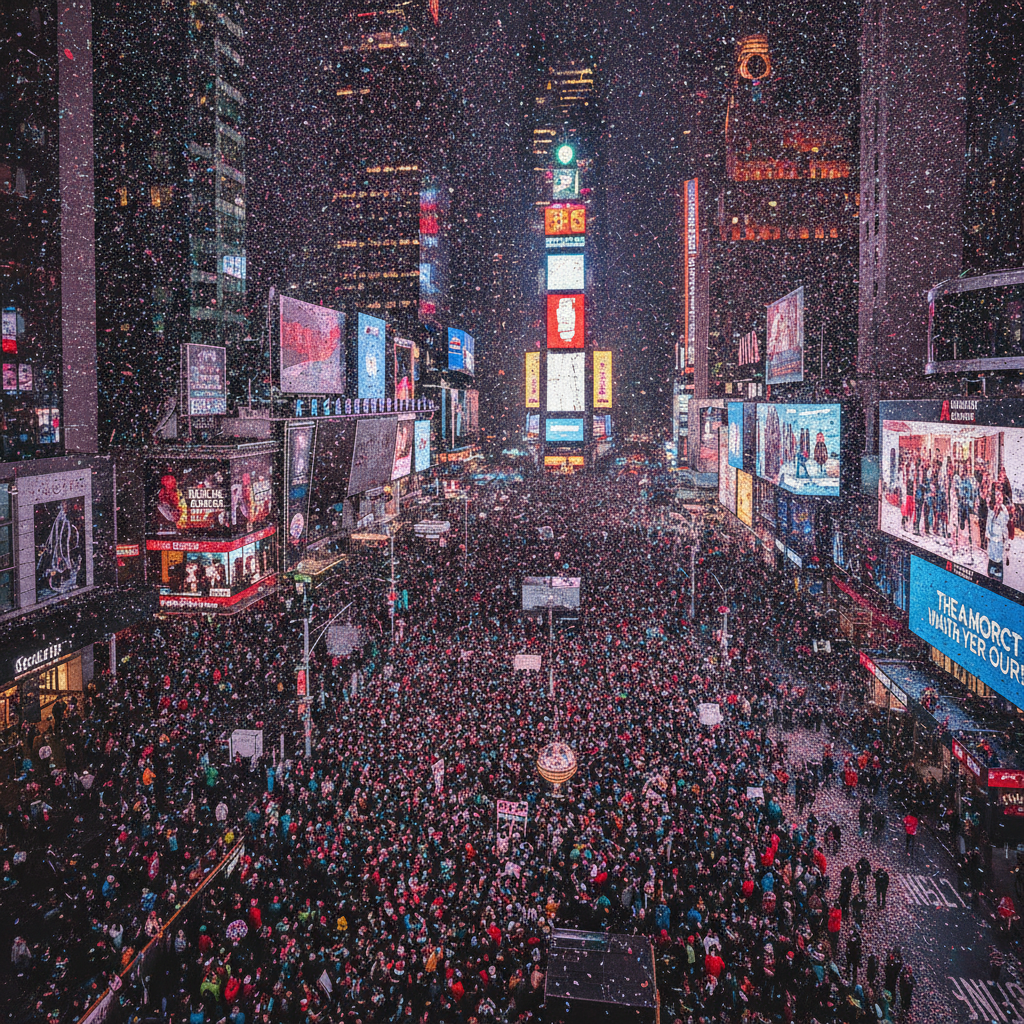
Somewhere around hour nine of standing in a police pen in 25-degree weather with no bathroom access, most first-timers at the Times Square ball drop ask themselves the same question: why didn't anyone tell me?
Consider this the telling. The ball drop is one of the world's great spectacles, it's completely free, and roughly a million people have a genuinely euphoric midnight there every year. It is also, by a wide margin, the most physically demanding way to celebrate New Year's Eve in America. Both things are true, and which side of it you experience comes down almost entirely to preparation.
New Year's Eve 2026 falls on a Thursday, December 31, going into Friday, January 1, 2027, meaning a long holiday weekend and heavier-than-usual crowds.
The Million-Person Myth
Start with the number everyone quotes: "one million people in Times Square." It is, according to the people whose job is measuring crowds, physically impossible.
Professor G. Keith Still, a crowd scientist who trains police departments on estimating crowd sizes, ran the math on the actual viewing areas: at five people per square meter (dense), Times Square's pens hold about 86,000 people. Packed front-to-back at a crushing seven per square meter, the ceiling is roughly 120,000. His conclusion: the real ball drop crowd is likely under 100,000, meaning the famous figure is inflated more than tenfold.
The myth has a traceable history. As late as 1998, the NYPD estimated attendance around 500,000. For the 1999 millennium celebration, City Hall predicted up to 2 million. And the seven-figure claim never went away. Still's general finding is that people overestimate crowds by 10 to 100 times.
Why this matters for your planning: the event is more attainable than the mythology suggests. You are not competing with a million people for a view. You're competing with under a hundred thousand, most of whom don't know the arrival math below. Get the timing right and a real view is very much winnable.
What the Ball Drop Actually Is
At 11:59pm, a 12-foot geodesic sphere, nearly 12,000 pounds, covered in 2,688 Waterford Crystal triangles, begins a 60-second descent down a pole atop One Times Square, timed to reach bottom at exactly midnight. Around 3,000 pounds of confetti release over the crowd. The tradition started in 1907, when the building's owner needed a spectacle after the city banned his fireworks show, and it has run nearly every year since.
The modern event is bigger than the minute itself: stages with live performances run from roughly 6pm, the crowd sings along to Sinatra's "New York, New York" after midnight, and the TV broadcast beams the whole thing to over a billion people. Being in it is the appeal. The question is what it costs you in comfort.
The Honest Timeline of Your Day
Morning–2pm: The earliest arrivals claim the pens closest to One Times Square (the mid-40s blocks along Broadway and 7th Avenue). Police checkpoints screen everyone. No backpacks, no umbrellas, no chairs, no alcohol. Once you're in a pen, that's your real estate for the next 10-12 hours.
2pm–6pm: Later arrivals get placed progressively further north, into the 50s, where the ball is a distant dot. The cold starts winning around now. There are no bathrooms, and leaving means no re-entry. This is why veterans stop drinking liquids the night before.
6pm–11:58pm: Performances, hourly countdowns, crowd energy building. The last two hours genuinely fly.
11:59pm: Sixty seconds that, by most accounts, justify the day.
12:15am: A million people attempt to use the subway simultaneously. Budget 60-90 minutes to get anywhere.
The Diaper Truth
Here is the piece of veteran advice this event is famous for, delivered without euphemism: some repeat attendees wear adult diapers. No bathrooms in the pens, no re-entry if you leave, 10-12 hours of standing, December cold that makes the problem worse. The front-pen regulars solved this equation years ago and are not embarrassed about it.
You don't have to join them. The mainstream strategy is fluid discipline: taper liquids from the evening before, sip only enough to stay functional, and eat dry, salty snacks (pretzels, jerky) that don't push liquid through you. Skip the morning coffee. A diuretic before a bathroom-free 12-hour stand is self-sabotage. However you handle it, understand that this decision, made at breakfast, determines your midnight more than anything else on this page.
What to Wear and Bring
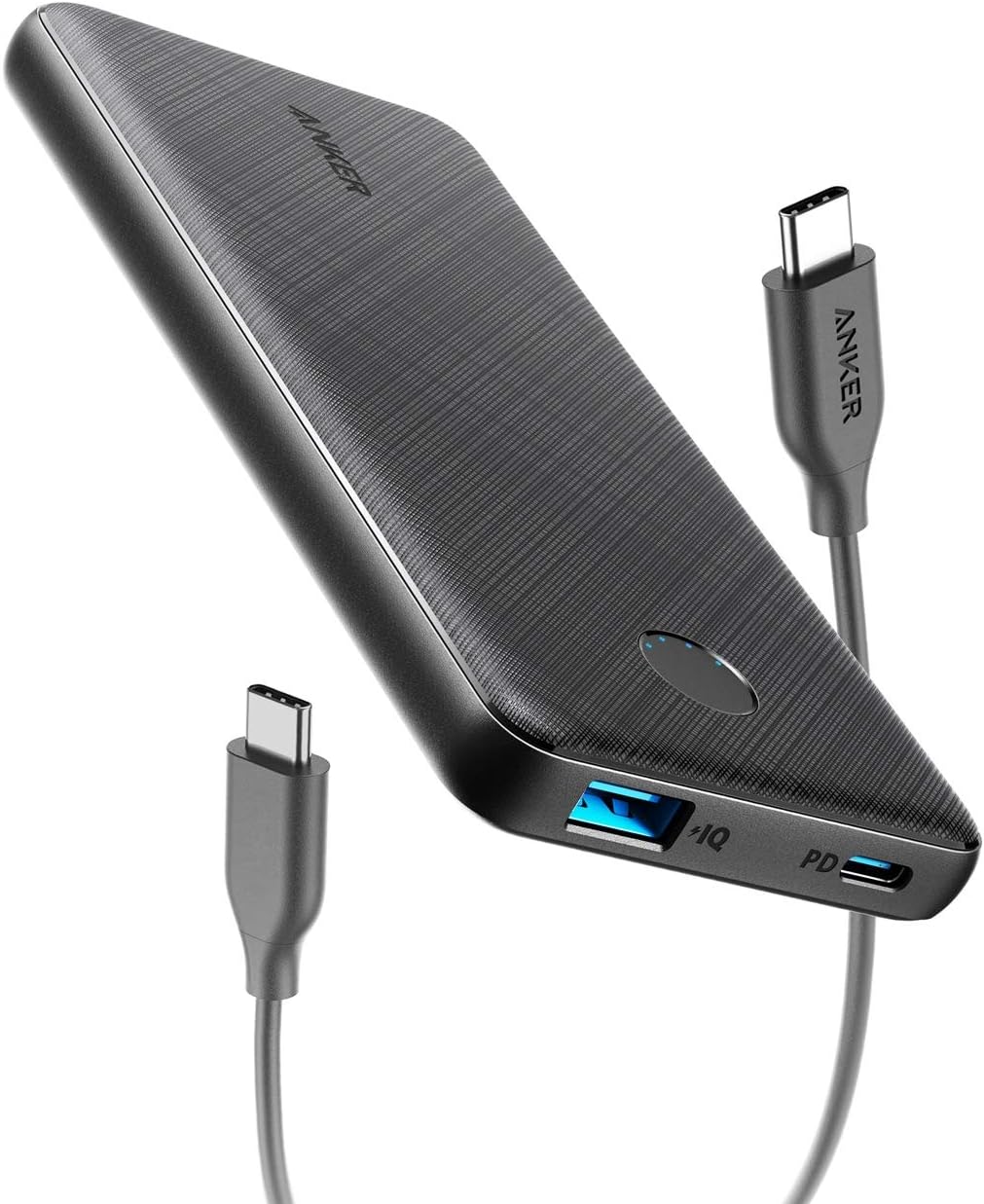
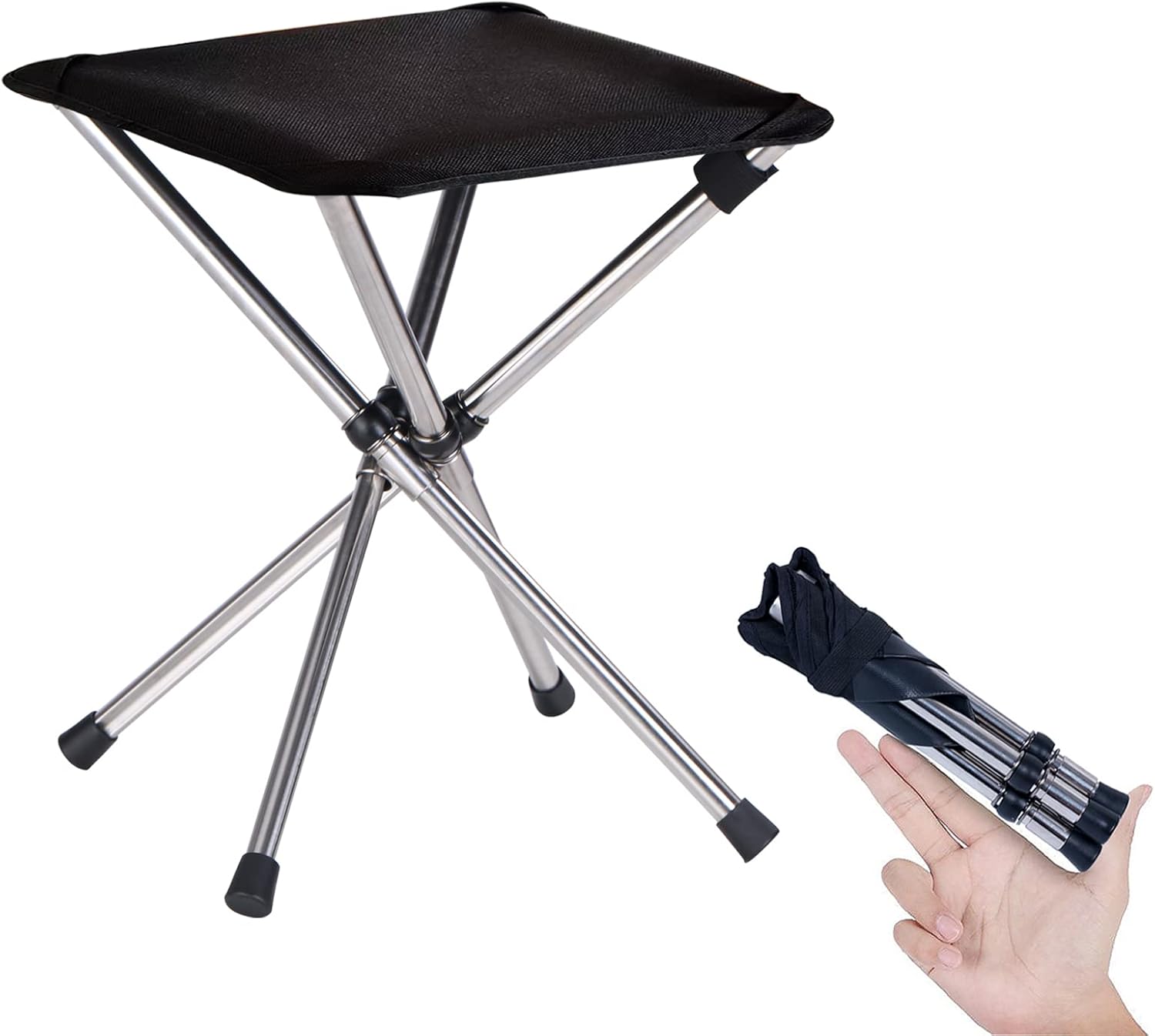
Dress for a January football game, not a night out (our winter parade kit guide goes deeper on layering and footwear): thermal base layer, insulated boots, hat, gloves, and hand and toe warmers. The single most-cited regret of unprepared attendees is footwear. Pocket snacks (granola bars, jerky), a portable charger (12 hours of photos and video kills every phone by 10pm), and ID. Skip: anything in a large bag (prohibited), alcohol (prohibited and screened), and your dignity about sitting on a piece of cardboard, which the veterans all bring.
One charming detail worth knowing: the confetti that falls at midnight carries real wishes. Each December, the Times Square Alliance collects New Year's wishes from the public, at the Wishing Wall in Times Square and online, and prints them onto the confetti released over the crowd. If you're going, submit one; a stranger may catch your wish at midnight.
The Smarter Alternatives
Here's the quiet truth: many New Yorkers who love their city have never once been to the ball drop, because the alternatives are excellent.
Prospect Park fireworks (Brooklyn, free). The classic local move. Midnight fireworks over Grand Army Plaza with a relaxed crowd, room to breathe, arrival at 11pm instead of 11am, and bars a short walk away in Park Slope.
NYRR Midnight Run (Central Park). A 4-mile fun run that starts at the stroke of midnight with fireworks overhead. Registration through New York Road Runners. Running into the new year with a few thousand people in costume is a genuinely great tradition.
Harbor cruises. Dinner cruises on New York Harbor put the skyline, the Statue of Liberty, and multiple fireworks displays in view, warm, with bathrooms and champagne. Book by early December; prices climb as the date approaches.
Rooftop bars and hotel views. Nearly every rooftop venue in Manhattan and Brooklyn runs a ticketed NYE party. And a hotel room with a Times Square view, booked nearly a year out at the Marriott Marquis and neighbors, is the famously expensive but famously comfortable way to watch the ball itself.
Flights and Hotels
NYC hotel rates over New Year's week are among the highest of the year, expect Midtown rooms that run $200 in February to list at $400-$600+. Book by October for real choice. Flights into JFK, LaGuardia, or Newark from most East Coast cities stay reasonable ($150-$300 round trip) if booked by early November; the Dec 26-31 arrival window prices highest.
Staying outside Midtown cuts costs meaningfully: Long Island City (one subway stop from Manhattan), downtown Brooklyn, and the Financial District all run cheaper than Midtown on NYE week and put you on direct subway lines to everything.
More from FlyCheapAlways:
- Macy's Thanksgiving Day Parade 2026 Guide. The other great NYC crowd event, five weeks earlier
- How to Find Cheap Flights, including holiday-week booking windows
- Best Travel Credit Cards, points cover NYE hotel rates better than cash does