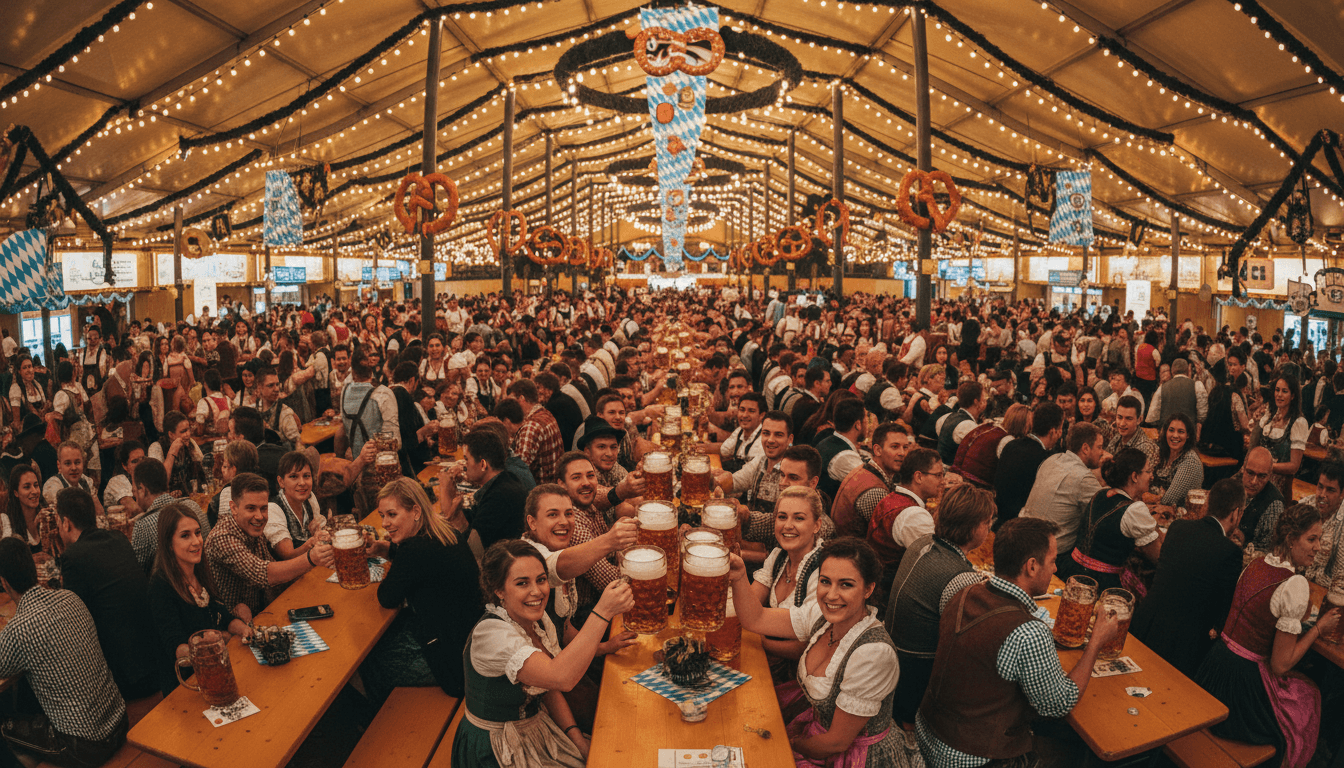
Oktoberfest is the largest beer festival in the world. Sixteen days, 40,000 seats across 14 major tents, 7.7 million liters of beer consumed, and six million visitors — most of them crammed into a fairground the size of 79 football fields in the middle of Munich.
It is also one of the most logistics-intensive festivals you can attend. The hotels book out months in advance. Tent reservations open in January and disappear in hours. The S-Bahn from the airport is jammed. And the first-timers who show up in September without a plan end up paying €300/night for a hotel 45 minutes from the city center.
This is the guide for getting it right.
- Opens: Saturday, September 19, 2026 — first keg tapped at noon
- Closes: Sunday, October 4, 2026
- Location: Theresienwiese, Munich — "die Wiesn" to locals
- Entry: Free. Tents are free to enter. You pay for beer and food.
- Hours: Daily 10 AM – 10:30 PM (last call 10 PM). Saturdays close 11:30 PM.
The Booking Window — This Is What People Get Wrong
Munich hotels 2 miles from the Wiesn that normally cost €120/night will be €380–€500/night during Oktoberfest weeks. Hotels 45 minutes out are €200. Good properties within walking distance sell out by February.
The booking sequence:
- Hotel: book now (or by February for 2026) — Even if you're not 100% sure you're going, many Munich hotels allow free cancellation. Book a refundable room now. If you don't go, cancel. If you wait until June, you're choosing between expensive and unavailable.
- Flights: book in May–June — Transatlantic fares (US–MUC) typically run $700–$1,100 round trip. They don't spike as dramatically as hotels, but the cheap seats go early.
- Tent reservations: book in January — Most major tents open reservations in January for the following September. This requires advance planning but is the only guaranteed way to sit inside a tent in the evening.
Where to Stay in Munich for Oktoberfest
Munich's neighborhoods all have different tradeoffs for Oktoberfest attendance.
Walking distance to Theresienwiese
The Ludwigsvorstadt and Schwabing neighborhoods are a 15–20 minute walk. These are the most convenient and the most expensive. Expect €350–€600/night during the festival.
Connected by U-Bahn (15–25 minutes)
Most of Munich's central neighborhoods — Maxvorstadt, Glockenbachviertel, Haidhausen — are 3–4 stops on the U4/U5. These hotels are less expensive during Oktoberfest but still elevated. A good compromise at €200–€350/night if you book early.
Farther out or suburban
Anything beyond the inner ring requires either a longer U-Bahn ride or an S-Bahn connection. Hotels here are cheaper (€150–€250) but the commute adds up across multiple days.
Rule of thumb: If you're attending multiple days, staying central is worth the premium. If you're going one day and sightseeing otherwise, a suburban hotel with easy U-Bahn access is fine.
The Tents: Which One and How to Get In
There are 14 major tents at Oktoberfest. Each is run by a different Munich brewery and has a distinct atmosphere. Here's the practical breakdown:
Hofbräu-Festzelt
The most famous. Capacity 10,000. Heavy on international tourists — large tables of Americans, Australians, and British visitors. The energy is high and the atmosphere is chaotic in the best possible way. Very hard to get reservations but the easiest tent to walk into on a weekday afternoon. The "Oktoberfest experience" for first-timers.
Augustiner-Festhalle
Augustiner is considered the best traditional Munich beer and the only one served from wooden barrels on the Wiesn. The crowd skews local and knowledgeable. Less tourist-heavy than Hofbräu. Slightly harder to get walk-in seating. Best tent if you care about the beer.
Hacker-Festzelt
The "Himmel der Bayern" (Heaven of Bavaria) — the ceiling is painted to look like an open sky with clouds. Beautiful interior, good atmosphere. Mid-range tourist density. Slightly easier walk-in access than Hofbräu.
Paulaner Festzelt
Large tent with a lively party atmosphere. Popular with both locals and tourists. One of the best evening venues if you have a reservation.
Walk-in strategy: Arrive before 11 AM or between 2–4 PM on weekdays. Most reserved tables are claimed by noon; unreserved seats open up mid-afternoon as groups leave. Weekends are essentially impossible without reservations after 11 AM.
What a Day at Oktoberfest Actually Costs
| Expense | Cost (approximate) |
|---|---|
| U-Bahn to/from Theresienwiese | €3.90 each way |
| Entry to grounds | Free |
| Maß of beer (1 liter) | €16–€17 |
| Half chicken (Hendl) | €14–€16 |
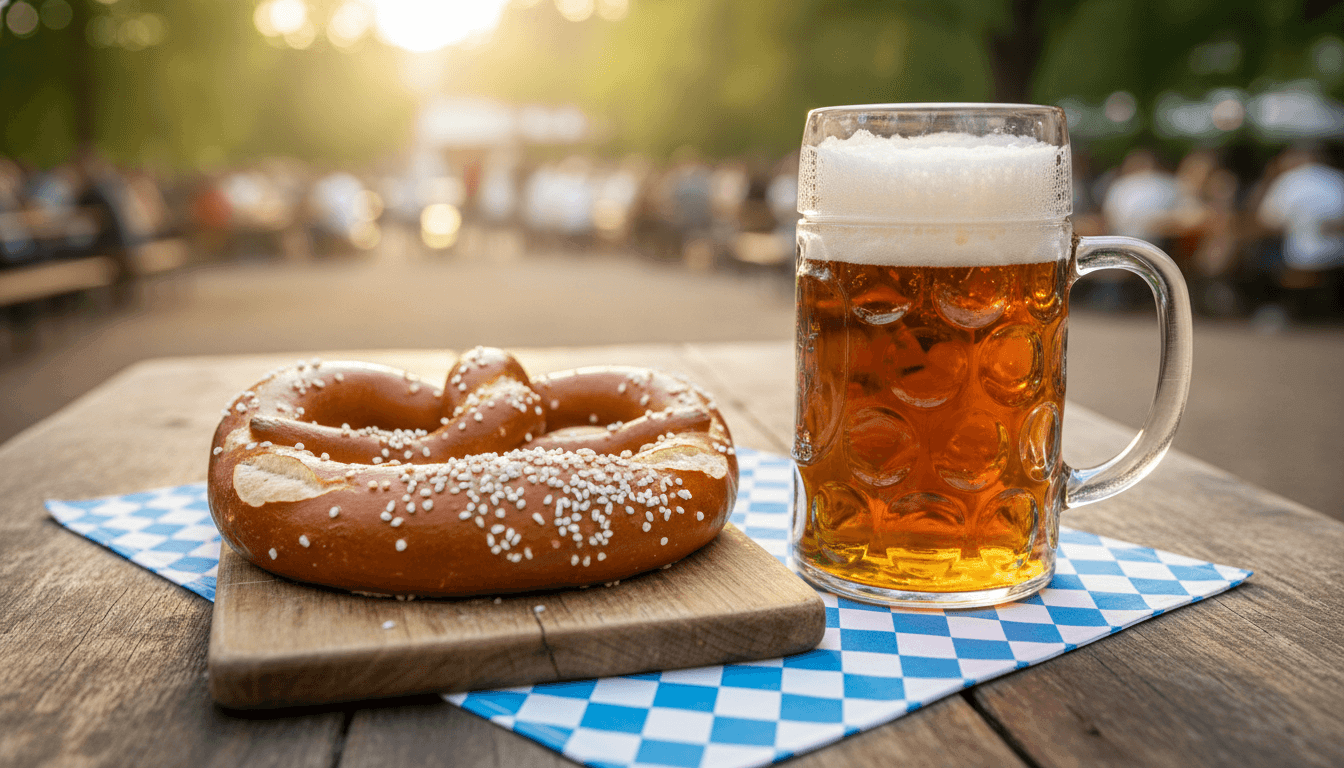
| Bretzen (large pretzel) | €5–€8 |
| Obatzda (cheese spread) | €8–€10 |
| 2–3 beers + food per person | €60–€80 |
Budget €120–€160/person for a full afternoon and evening session. If you're going big, plan for €200.
Cash matters: Many food stalls and smaller vendors are cash-only. Bring €100–€200 in cash per day. ATMs on and near the Wiesn have long queues by early afternoon.
Getting From the Airport to the City
Munich Airport (MUC) is 30 km northeast of the city center. The S-Bahn is the only sensible option:
- S1 or S8 from the airport to Marienplatz or Munich Central Station (Hauptbahnhof)
- Journey time: 45 minutes
- Cost: €13.60 single ticket (airport zone surcharge)
- The Bayern Ticket (€29/day for 1 person, €6 more per additional person) covers all trains in Bavaria including the airport S-Bahn — good if you're day-tripping or doing multiple journeys
Do not get a taxi from the airport during Oktoberfest. It's expensive and traffic is brutal.
The Rest of Munich While You're There
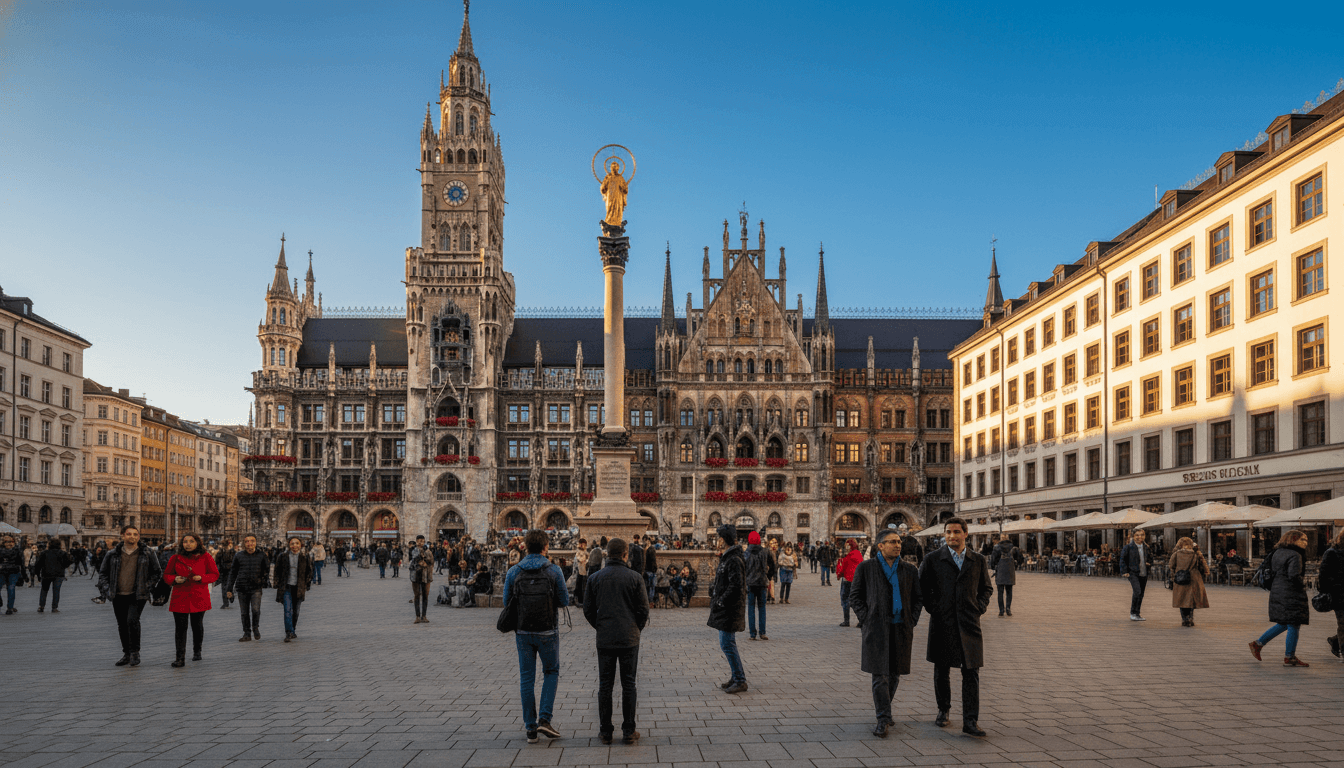
Oktoberfest only runs until 10:30 PM and the rest of Munich is excellent.
Marienplatz and the Englischer Garten: The English Garden is larger than Central Park and has a famous surf wave on the Eisbach river where surfers ride a standing wave in the middle of the city, year-round. The beer garden at the Chinese Tower seats 7,000 and serves excellent food.
Nymphenburg Palace: The summer residence of the Bavarian kings, 20 minutes from the city center. The grounds are free; palace entry is €8.
The Viktualienmarkt: Munich's daily outdoor food market, open since 1807. The best place to have an authentic Bavarian breakfast: weisswurst, sweet mustard, a pretzel, and a Weissbier. Yes, at 9 AM.
The Budget Breakdown for a 4-Night Trip for Two
| Expense | Budget | Mid-Range |
|---|---|---|
| Flights RT from NYC | $750–$900/person | $900–$1,100/person |
| Hotel (4 nights) | €600–€900 total | €1,200–€1,800 total |
| Oktoberfest (2 days, per person) | €120/day | €160/day |
| Restaurants outside Oktoberfest | €30–€50/day per person | €60–€100/day per person |
| Transport (airport, U-Bahn) | €40–€60/person | €40–€60/person |
| Total for two, 4 nights | ~$2,800–$3,400 | ~$4,000–$5,200 |
This isn't a cheap trip — Oktoberfest during festival weeks never will be. The window to make it affordable is booking hotels and flights 4–6 months in advance. That's the only lever you control.
Related guides:
- How to Find Cheap Flights — fare alerts and Google Flights calendar view are the tools for catching transatlantic deals to MUC
- Best Travel Credit Cards 2026 — the Chase Sapphire Preferred or Amex Delta Gold sign-up bonuses can cover a meaningful portion of this trip
- New Orleans Jazz Fest 2026 Guide — if Oktoberfest is your style, Jazz Fest is the American equivalent in spirit